


A duplicate payment is an accidental double payment for the same underlying service or obligation.
How can this happen?
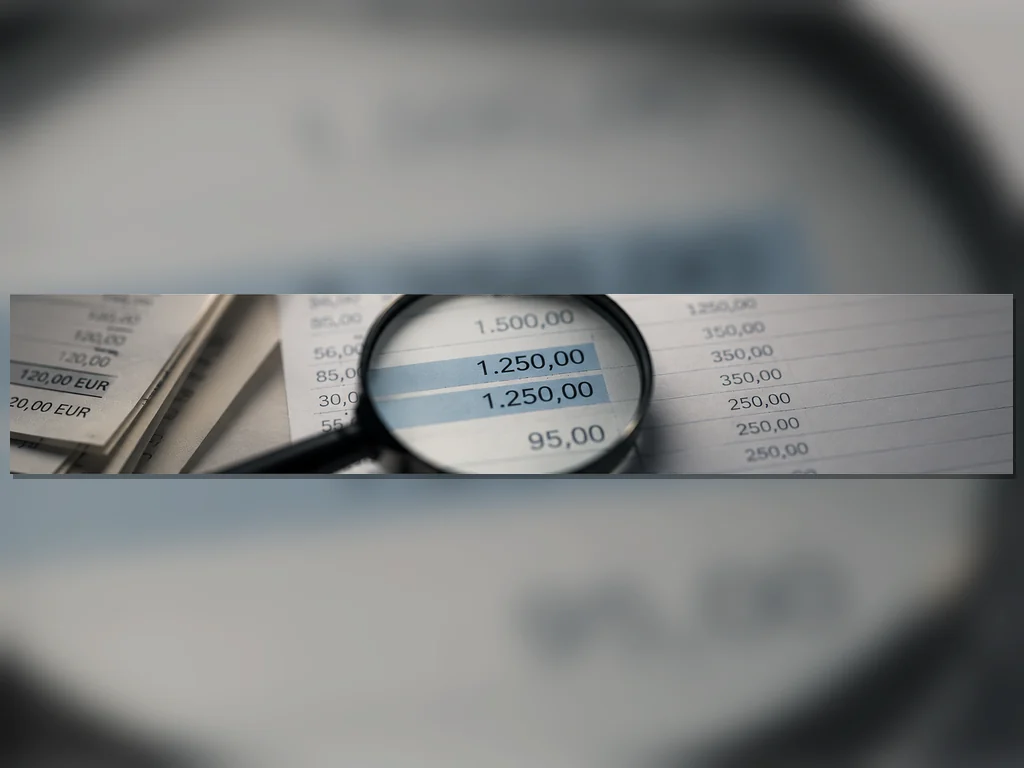
A common misconception is that the exact same invoice posting has to be paid twice. In modern ERP systems, this is usually not the problem. The mistake often starts one step earlier: the underlying invoice is entered twice.
For example, an invoice may be recorded once as the original and once as a copy, once as a reminder and once as the original invoice, once before and once after a correction, or once as an e-invoice and once as a PDF document. The list could go on. In the next step, both invoice postings are paid — and from a purely accounting perspective, each payment may look correct on its own.
Causes of duplicate payments
Common causes of duplicate payments include OCR or data-entry errors, slightly different invoice numbers, multiple vendor master records for the same supplier, decentralized approvals, different ERP systems, and system changes. Standard controls often identify only exact duplicates. More complex duplicate postings, for example with different references or amounts, may therefore go undetected.
You can find more information about the causes of overpayments here:
What can you do?
Duplicate payments tie up cash, create follow-up work and reveal weaknesses in the purchase-to-pay process. Recovering individual payments is useful, but often not enough. A more complete analysis helps identify the underlying causes so they can be addressed for the future.
A duplicate payment review creates transparency in accounting and helps companies reduce financial risks in a targeted way.
Do you have any questions? You can find more information here.
Or schedule a Request demo.

Founder and Managing Director